Coastal Market Days: A Month-by-Month Local Guide
October 30, 2026 - Local Guides

October 30, 2026 - Local Guides
October 29, 2026 - Local Guides
October 25, 2026 - Local Guides
October 23, 2026 - Sea Views
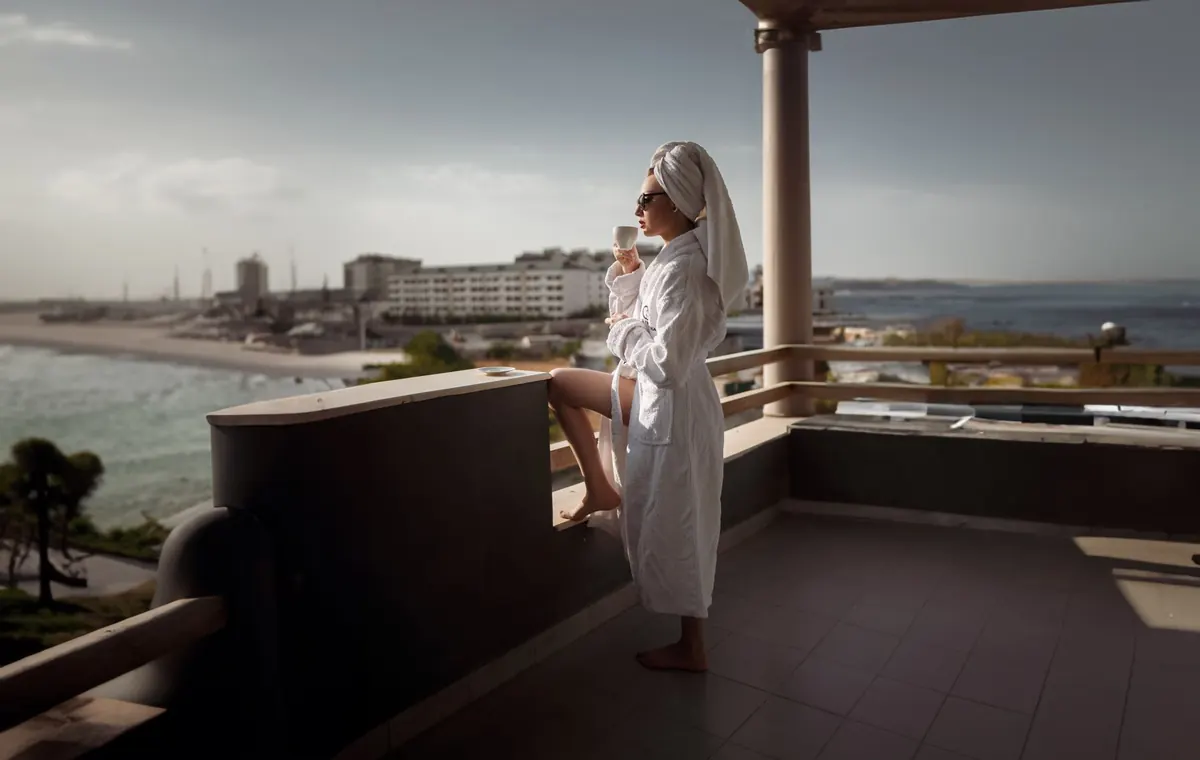
Two hotels can stand a hundred metres apart on the same stretch of coast and deliver completely different holidays. One has a car park you can actually use, a room that faces the water instead of the service lane, and a manager who answers emails before you pay. The other has a photograph taken from a drone and a cancellation policy written to keep your deposit. The difference is rarely luck. It is a handful of questions asked in the right order, before the card comes out.
What follows is the checklist worth running through for any coastal booking, whether you are looking at a family-run pensione above a Ligurian bay or a modern hotel on the Algarve cliff. Fifteen minutes of homework, far fewer surprises at check-in.
“200 metres from the beach” is one of the most elastic phrases in travel. Two hundred metres along a flat promenade is a barefoot stroll. Two hundred metres as the crow flies can mean a railway line, a four-lane coast road and a flight of 90 steps. Ask the hotel for the walking route, not the distance: the name of the nearest beach access, whether there is a crossing, and how many steps are involved.
Satellite imagery settles most arguments in a minute. Look for the railway, the coast road, the marina, the beach clubs that occupy the sand in front of the property. In Italy, much of the beach is concession-operated, which means the sand closest to your hotel may be a lido where a sunbed and umbrella carry a daily charge; the free spiaggia libera might be a ten-minute walk further on. Neither is a problem, but you want to know before you arrive with three bags and a cooler.
In some hotels, a sea-view room means a full-width balcony facing open water. In others it means a slice of blue visible if you lean past the bathroom window. Both get the same label on the booking site. The fix is to be specific in writing.
The reply matters as much as the answer. A hotel that describes the view honestly — “side view, partly screened by pine trees, full sea visible from the terrace” — is a hotel that has probably been asked before.
Parking is where coastal bookings quietly fall apart. Ask whether the spaces are on site, in a private garage, or in a public lot down the street; whether the space is included in the rate or charged per night; and whether it can be reserved rather than hoped for in August. If there is a garage, ask about height limits — roof boxes and long-wheelbase vans have ruined more arrivals than rain.
Then think about arrival. Many historic centres have restricted traffic zones, and an address that looks central on a map may be unreachable by car between certain hours. Hill towns and cliffside properties often sit at the top of a stairway with no drop-off point. Ask where you can stop to unload, whether someone can help with luggage, and whether there is a lift. And ask for arrival instructions in writing, not just a pin on a map. Turning up at eleven at night in front of a barrier you cannot open is a poor way to begin a holiday.
Coastal towns are not quiet places in season, and that is part of the charm — until your room sits directly above the bar. The questions worth asking are concrete:
That last point matters more than it seems. If the only way to cool a room is to open a window, then street noise, delivery vans at six in the morning and church bells become part of your sleep. Ask whether the air conditioning is included in the rate, or charged as an extra — in some smaller seasonal hotels it is a paid option, or switched on centrally only in high summer.
Rate rules are usually the least-read text on a booking page and the most expensive to ignore. Before you confirm, find the answers to a short list of questions:
City tax is worth a specific mention for Italian stays: it is normally charged per person per night, capped by law, and often collected on site rather than included in the rate. It is rarely large, but it should not be a surprise. And if the cost of cancelling would hurt, travel insurance is the sensible tool — read the policy conditions rather than assuming you are covered.
Coastal hotels live in two seasons and a long, ambiguous shoulder between them. In May and October, the pool may be unheated, the beach service closed, the restaurant open only at weekends and the bar shut by nine. None of that is dishonest, but it changes the kind of holiday you are booking.
Ask directly: which facilities are operating on your dates, is the pool heated, is there a lifeguard, is breakfast served or delivered to the room, and is there staff on site overnight? A short, precise answer is worth more than a brochure. If you need a pharmacy, a grocery or a ferry stop nearby, check those too — off-season coastal towns can be wonderfully empty and surprisingly closed.
Open the map in satellite mode and trace the walk to the water. Send one email with four questions: room category and view in writing, parking and arrival instructions, noise exposure, and what is open during your stay. Compare the cancellation deadline across the two or three hotels you are considering, not just the price. Then read the most recent reviews filtered for the words “noise”, “view” and “parking” — the recurring complaint is the one that will find you.
Book the room that answers clearly. A hotel that tells you the view is partial and the car park is 150 metres away, and gets it right, will give you a better week than one that promises everything and quietly delivers less.
Photo: Daniel Dolidze / Pexels
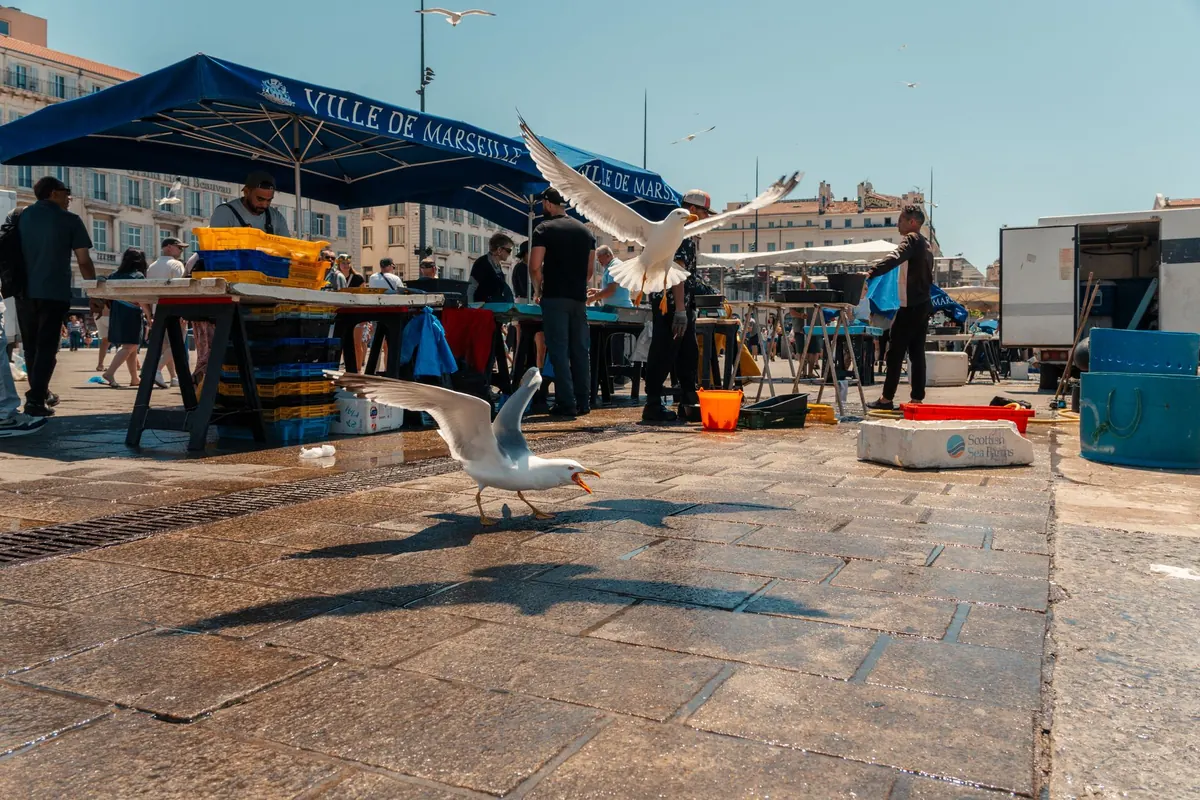
A month-by-month tour of coastal markets — what each season puts on the stalls, when to arrive, and which nearby...
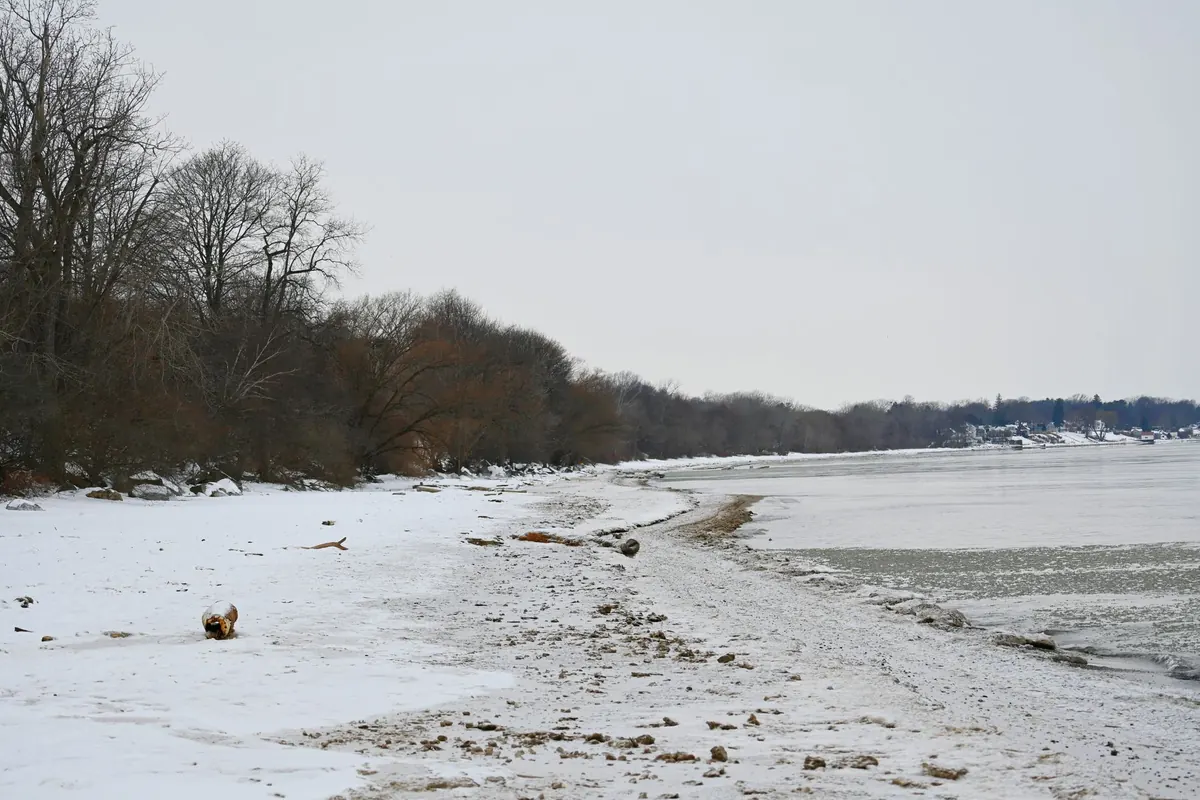
Winter strips coastal towns back to bakeries, ferries and empty headlands. A practical guide to what closes, when,...
October 30, 2026 - Local Guides
October 29, 2026 - Local Guides
October 25, 2026 - Local Guides
Copyright © 2026 Faro Viva. All Right Reserved.