Coastal Market Days: A Month-by-Month Local Guide
October 30, 2026 - Local Guides


October 30, 2026 - Local Guides

October 29, 2026 - Local Guides

October 25, 2026 - Local Guides
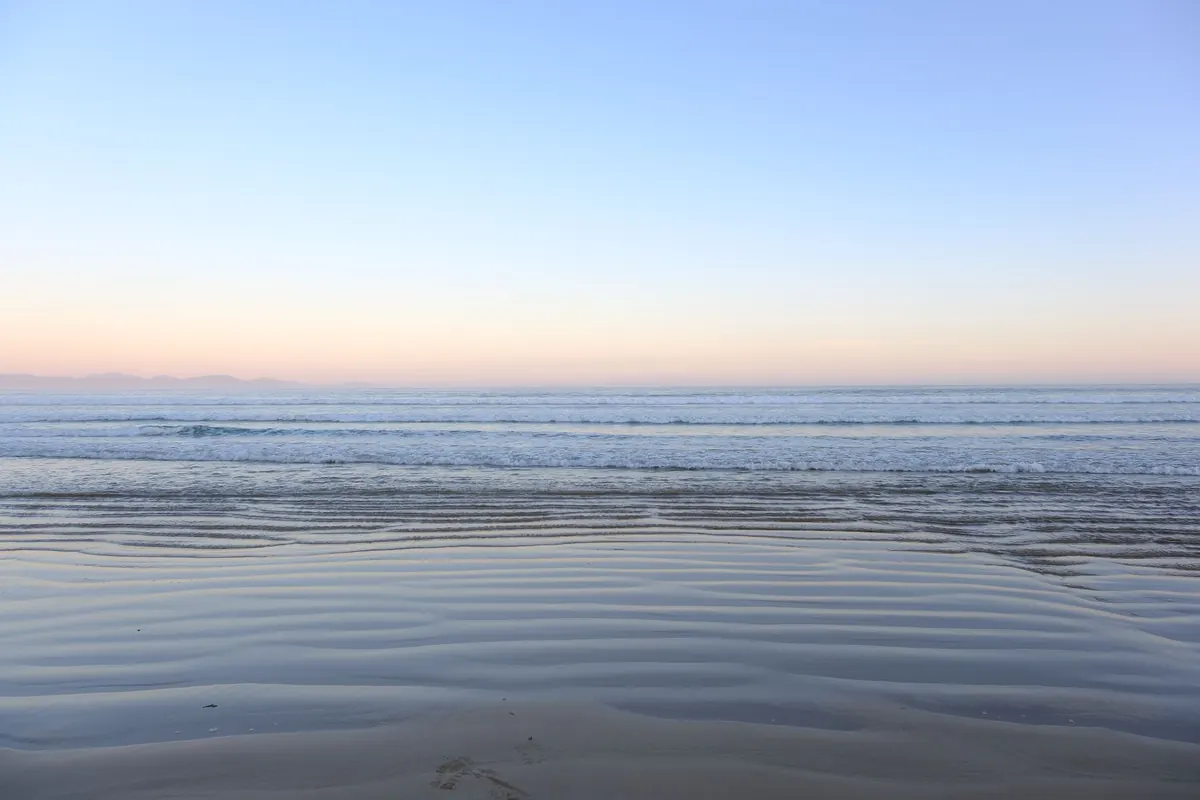
October 23, 2026 - Sea Views
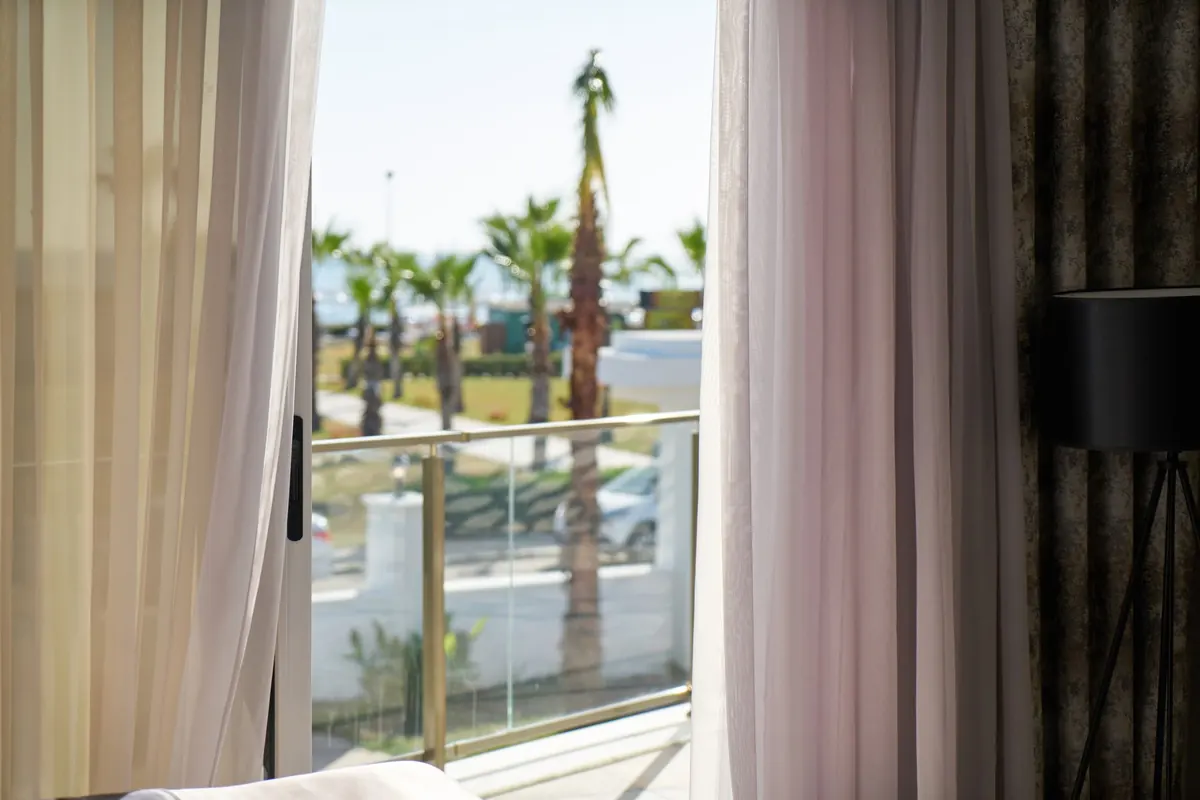
Two rooms, same hotel, same breakfast, same short walk to the beach. One costs noticeably more because of what hangs beyond the glass. The question is never whether a sea view is pleasant — it obviously is — but whether this sea view, in this room, on this trip, is worth what the hotel is charging. Answer that honestly and you will either pay the difference happily or keep the money for a boat trip, a long lunch and one more night.
Strip away the brochure language and a sea-view rate usually bundles three things, only one of which is water.
Position in the building. Sea-view rooms tend to sit on higher floors or in the wing that faces the coast rather than the street, the car park or the neighbour's roof. That position often means more light and less noise, though it can also mean a longer walk to the lift and, on top floors, a summer roof that keeps the room warm until late.
Outdoor space. Most sea-view categories come with a proper balcony: room for two chairs, a table and a towel rail. Garden and standard rooms more often have a window, a French door with a Juliet railing, or a patch of shared lawn. This is a real, physical difference and it is worth more than the view on some trips.
The view itself — which might be open water from a corner balcony, or a wedge of blue between two buildings and a stone pine. Hotels sometimes charge the same for both. That gap is where the value argument lives.
Notice what is usually not different: bed size, bathroom, air conditioning, Wi-Fi, the quality of breakfast. Sometimes the sea-view rooms are also the recently renovated ones, but never assume it. Ask directly.
There are trips where the premium is easy to justify, and they share a pattern: you will actually be in the room while the light is good.
One more consideration: the view from the shared spaces. If the hotel has a rooftop terrace or a breakfast room facing the water, you already have access to the sea without paying for it. Some of the most enjoyable coastal stays I have had were in garden rooms, with the sea reserved for the terrace at aperitivo hour.
Garden rooms are not the consolation prize, and on plenty of trips they are the better buy.
You will be out all day. If you leave after breakfast and return to change for dinner, you are paying for a view you will see mostly at night, when it is a dark rectangle with a few lights on it.
You are travelling with small children. Ground-floor garden rooms mean no balcony railing to worry about, direct access to a lawn for early-morning energy, and shade in the hottest part of the day. They also tend to be closer to the pool, which matters more to a four-year-old than any horizon.
You want quiet and privacy. Balconies are overlooked by other balconies; a hedge or a row of shrubs is not. Street-facing rooms are the ones to avoid, but a garden room set back from the road is often the quietest in the building.
It is shoulder season. In May or October, a sheltered garden catches the sun and blocks the wind. An exposed sea-facing balcony can be a beautiful place to stand for ninety seconds.
Garden rooms are also frequently larger for the same money, because hotels price position rather than square metres. If space matters to you more than a horizon, that is a straightforward trade.
The words "sea view" cover a wide range of realities. Before you commit, work through these:
A sea view is not one product. It is a floor, an orientation, a distance and whatever stands in the middle.
These terms are not standardised, but they generally mean the water is visible at an angle or over something. A "lateral sea view" often means leaning out from the balcony to look along the coast. That can still be lovely — you get the light and the air and the sound of the water — and it is usually priced meaningfully below a full frontal view. If you mainly want the breeze and the sound, this is often the best-value category in the hotel.
Estimate the number of daylight hours you will genuinely spend in the room, not the number you would like to. A typical four-night summer stay might look like this: arrive mid-afternoon on day one, out by half nine each morning, back to shower at six, dinner at eight. That leaves perhaps an hour of usable balcony time per full day, plus the first evening. If you would pay the difference for five or six hours across the trip, book it. If that number feels uncomfortable, it is your answer.
Then weigh it against what else the same money buys: a day on a boat, a better dinner, an extra night. Coastal travel rewards being out on the water far more than looking at it through glass.
Book the sea view when the room is part of the holiday — short stays, slow mornings, hot afternoons, an occasion worth marking, a genuinely open outlook from an upper floor. Take the garden room when the coast is the point and the room is just where you sleep: full days out, small children, shoulder-season weather, or a budget that stretches further elsewhere.
Whichever you choose, ask the three questions that decide satisfaction: which floor, which direction, and what is in between. Get those answers and the upgrade stops being a gamble.
Photo: Engin Akyurt / Pexels
A month-by-month tour of coastal markets — what each season puts on the stalls, when to arrive, and which nearby...
Winter strips coastal towns back to bakeries, ferries and empty headlands. A practical guide to what closes, when,...
October 30, 2026 - Local Guides
October 29, 2026 - Local Guides
October 25, 2026 - Local Guides
Copyright © 2026 Faro Viva. All Right Reserved.