Coastal Market Days: A Month-by-Month Local Guide
October 30, 2026 - Local Guides

October 30, 2026 - Local Guides

October 29, 2026 - Local Guides
October 25, 2026 - Local Guides

October 23, 2026 - Sea Views
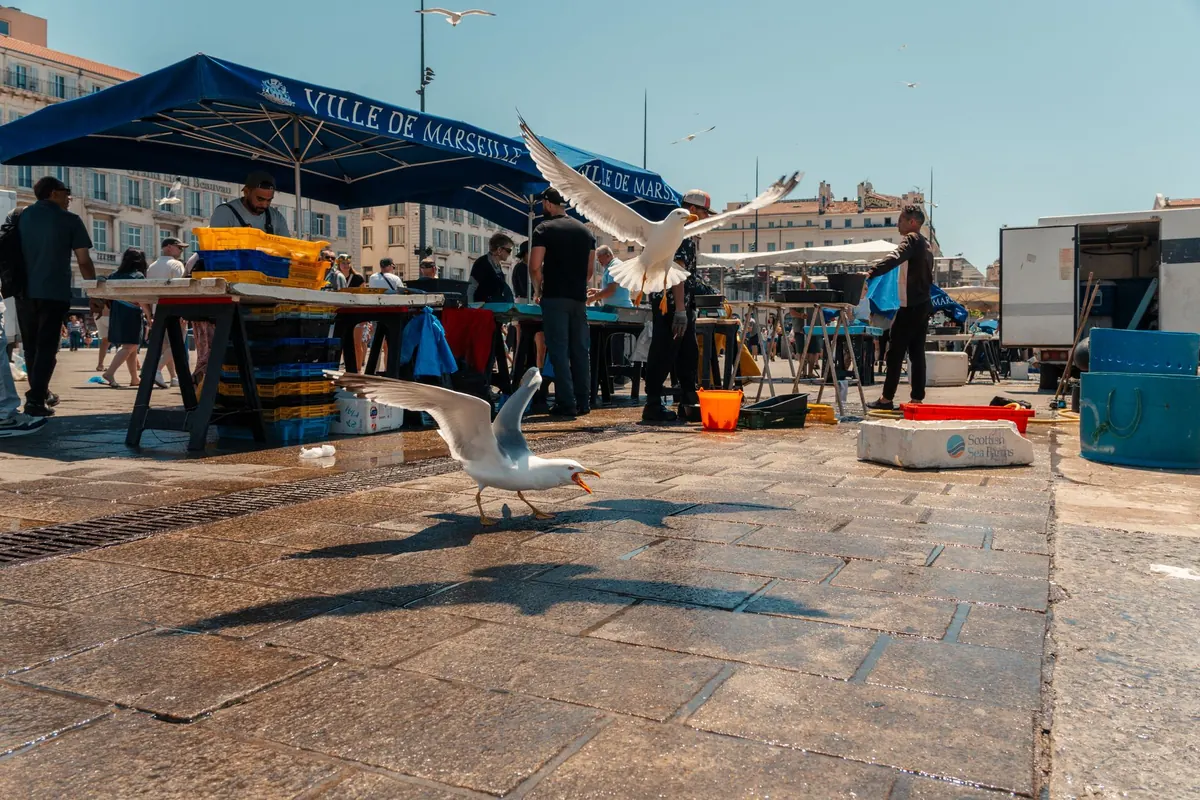
A coastal market keeps a different clock. The fish counter is emptying by half past eight, the tomato stall is still stacking crates at seven, and by noon the square is being hosed down while gulls argue over the scraps. Come in January and you'll find three stalls, a great deal of conversation and no queue at all; come in August and you'll stand behind half the village for a melon. Knowing what each month puts on the table — and where to walk afterwards with a bag of peaches in one hand — is most of the pleasure of planning a trip around market days.
Two things decide what appears: what came off the boats that morning and what came out of the ground within a day's drive. A third, the tourist season, changes the shape of the market more than its content. In July the same square holds twice the stalls and half the chat.
Before you set an alarm, check:
In summer, evening markets appear with no printed schedule at all. You find them because the street is closed and the air smells of grilled fish.
The stalls are few and the sellers have time. Expect blood oranges and lemons sold with their leaves, cavolo nero, leeks, artichokes, dried beans and honey, alongside salted anchovies, baccalà and stockfish — the winter pantry of every fishing town. Ask the vegetable seller how they cook cardoons and you'll leave with a recipe and an opinion. Walk the headland path afterwards: the sun stays low, the sea turns silver, and the view is yours alone. Take a jacket; an exposed point is colder than the town below.
Short and sharp, February is the month when the market feels most like a private club. The citrus is still going — blood oranges, bergamots if you are lucky, lemons with leaves — but the tables begin to show the first wild greens: puntarelle, dandelion, nettles if someone has bothered. On the fish side, weather rules. A calm week brings sea urchins and small squid; a gale brings nothing but a handwritten note on the board. Oggi niente pesce is a useful phrase, though you will probably see it before you need it. Carnival can also rearrange things: a Saturday procession may push the market to Friday, or cancel it outright. Ask at the bar. Your reward for coming now is a square you can cross in ten steps and a seller who will tell you exactly how to cook the cardoons you were too shy to buy in January.
March is the hinge. Artichokes are everywhere — violet, spiky, and cheap enough to buy by the armful — along with spring onions, wild asparagus and the first strawberries from sheltered terraces. The fish counter brightens too: sardines, mackerel, cuttlefish and, on good days, the first anchovies. The market lengthens by a stall or two each week, and by the end of the month you may hear the first arguments about whether the tomatoes are worth buying yet. They are not, but hope is part of the season. Bring a light waterproof and walk the old town steps afterwards; the stone is still cold, but the almond blossom is out.
Easter changes the market more than any other holiday. Expect lamb, spring greens, fava beans, pecorino and tall stacks of eggs, alongside the usual fish. The weather is unreliable in the best way: one morning you queue in sunshine, the next you shelter under an awning while rain drums on the canvas. This is a good month for asking questions. Which beans go with which pasta? Which cheese is best with the strawberries? The sellers have time, and the answers are rarely complicated. Look for fave e pecorino eaten straight from a paper cone — a market breakfast if ever there was one.
By May the square has found its summer shape. Cherries arrive, artichokes begin to fade, and the first tomatoes appear — pale, expensive and better in a week or two. The fish board lists tuna, swordfish and anchovies, and the boats are out more often. Tourists are back, but not in force; you can still hear the market's own rhythm. If you are self-catering, this is the month to buy a whole fish and ask the fishmonger to clean it. Watch how they do it, and tip the bones into a pot for stock. In the evening, look for the first street markets: no schedule, just a closed road and the smell of grilled fish.
June is abundance with a deadline. Tomatoes, cucumbers, peaches, basil, garlic scapes and courgettes fill the stalls, and the fish counter is at its best: swordfish, anchovies, sea bream, red mullet. Go early. By nine the best fish is gone and the sun is already too strong for a bag of greens in the car. Midsummer feast days bring bonfires and processions, which can move the market by a day. Ask your host for the local saint's date; it is more useful than any app. After shopping, walk the harbour wall and watch the boats come in. The light lasts forever.
July is the month the market doubles and the chat halves. Stalls spill out of the square, melons are stacked like cannonballs, and the queue for peaches is a social event in itself. Tomatoes, peppers, aubergines, cucumbers, figs and basil are at their peak; fish is sardines, swordfish and tuna. Come at seven if you want fish, eight if you want vegetables, nine if you only want to look. By noon the square is being hosed down and the gulls are arguing over the scraps. Evening markets appear along the seafront: grilled sardines, cold white wine, children running between tables. It is busy, hot and entirely worth it — once.
August is the peak of everything, including prices and patience. Many locals are away, so the stalls may be run by cousins and sons; the produce is still good, but the conversation is shorter. Expect tomatoes, figs, grapes, melons and peppers, with fish in shorter supply around Ferragosto, when boats stay in and everyone heads for the beach. The trick is to shop at the edges of the day: seven in the morning, or after seven in the evening. Between those hours the heat is punishing and the queue is long. If a patron saint's procession lands on market day, stalls move or vanish. Check the posters. Then go for a swim; the sea is the only sensible place to be.
September is the reward. The tourists thin out, the sea stays warm, and the market returns to local hands. Figs and grapes are everywhere, late peaches and peppers are cheap, and the first mushrooms from the hills appear if the rain has come. Fish is excellent: anchovies, mackerel, squid and the last of the swordfish. This is the month to buy a crate of tomatoes for sauce and a jar of new olive oil if you can find it. The light turns golden, the square is friendly again, and you can walk the headland path without sharing it. If you can choose one month for a market day, choose this one.
October brings olives, chestnuts, pumpkins and, if you are near hills, porcini. The market is cool and businesslike: locals buying in quantity, sellers in fleeces, the first rain running down the awnings. Fish is squid, cuttlefish and sardines, with the occasional tunny. Buy a bag of chestnuts and roast them at home; buy olives and cure them if you have patience. This is also the month when the sea can turn, so check the forecast before planning a coastal walk. The market itself is sheltered and calm — a good place to spend a wet morning.
November is quiet again, but it has its own pleasures: new olive oil, cavolo nero, cardoons, leeks, citrus beginning, dried beans and honey. The fish counter turns to baccalà, stockfish and salted anchovies — the winter pantry. Storms may keep boats in, so be flexible. This is the month to ask a seller how they cook cardoons, and to actually write it down. The square is small, the coffee is hot, and the market feels like a conversation you have been invited to join. Walk the old town afterwards; the stone glistens and the tourists are gone.
December is feast days and short light. The market fills with citrus, nuts, dried fruit, winter greens and fish for the Christmas Eve table: eel, baccalà, anchovies, shellfish. It is busy, but not summer-busy; locals are buying seriously, and the sellers are in good humour. Look for the feast of St Lucy or the local patron, which may bring a procession, stalls or a day's closure. Buy a paper bag of roasted chestnuts, then walk the harbour in the cold. The gulls are still arguing. The market is still keeping its own clock.
A market is not a supermarket with better light. It is a calendar you can eat.
A little preparation makes a market morning better for everyone.
Don't haggle at a food stall. The price is the price, and the relationship is worth more than a euro. If you are buying a lot, ask for a sacchetto or a box. And say grazie when you leave, even if you bought nothing.
Photo: HAMZA YAICH / Pexels
Winter strips coastal towns back to bakeries, ferries and empty headlands. A practical guide to what closes, when,...
A relaxed three-day coastal plan balancing a lighthouse headland, a long beach afternoon and a ferry trip, with...
October 30, 2026 - Local Guides
October 29, 2026 - Local Guides
October 25, 2026 - Local Guides
Copyright © 2026 Faro Viva. All Right Reserved.