Coastal Market Days: A Month-by-Month Local Guide
October 30, 2026 - Local Guides

October 30, 2026 - Local Guides
October 29, 2026 - Local Guides
October 25, 2026 - Local Guides
October 23, 2026 - Sea Views
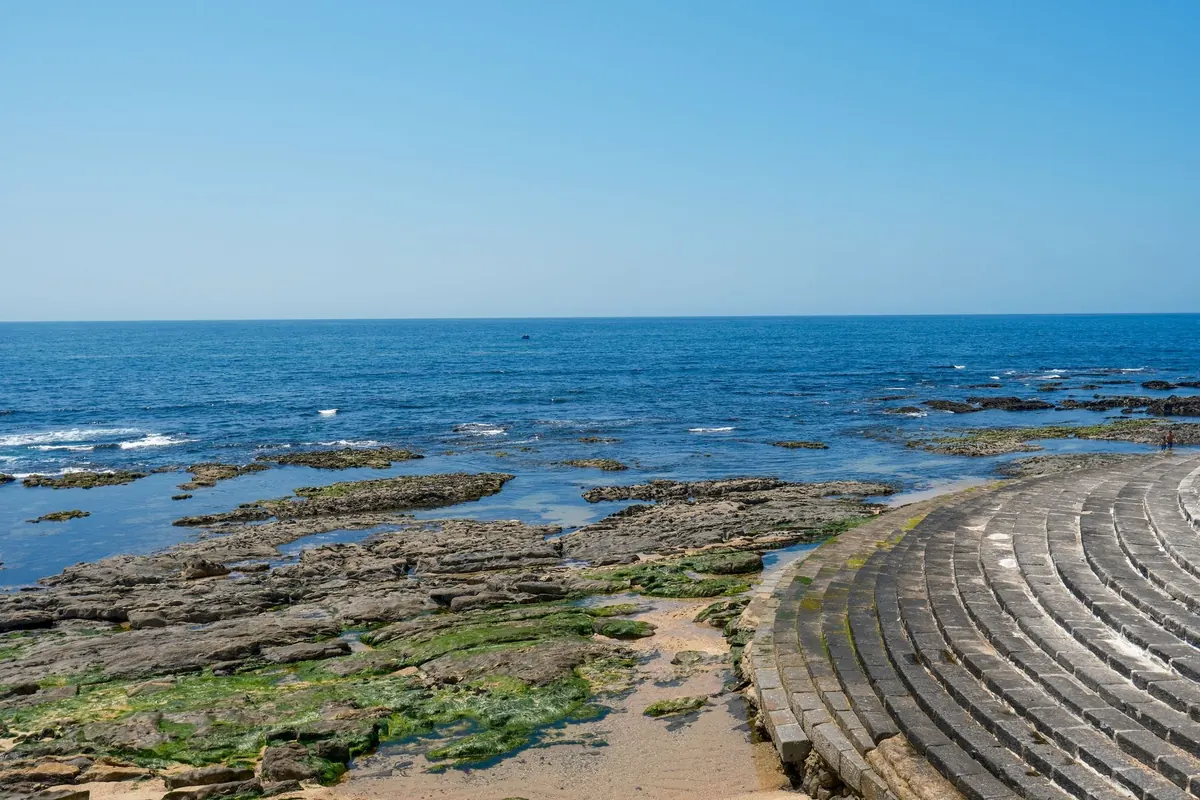
The same stretch of shore can be a wide, firm promenade at eleven in the morning and a waist-deep channel by four in the afternoon. That is not weather, and it is not bad luck. It is the tide, working to a schedule printed months in advance. Learning to read that schedule is one of the most useful skills in coastal travel, and it changes how you plan a walk: you stop guessing and start choosing.
Most tide tables, whether a printed sheet from a harbour office or a page on a national hydrographic service website, follow the same layout. For each day you get the times of high and low water, usually four of them, and the height of the sea at each of those moments.
The time tells you when the water stops rising or stops falling. The height tells you how much shoreline you will have when it does. A high water of 4.2 metres on a spring tide and a high water of 3.1 metres on a neap can arrive at almost the same hour and leave two completely different beaches.
Heights are measured against a fixed reference level, often the lowest water the area is expected to see, though the convention varies between countries. You do not need to memorise the datum. You do need to know which one your table uses, because a height of 1.0 metre means one thing above a low reference and something else above mean sea level. The small print at the top or bottom of the table tells you, and it is worth thirty seconds of your attention.
Many tables give predictions for a main port and then list adjustments for smaller places nearby: add twenty minutes, subtract 0.3 metres, and so on. If your walk is a few kilometres along the coast from the standard port, use the correction. In bays, estuaries and behind headlands, the difference can be larger than you would expect, and it is exactly those places where a walk gets interesting.
Subtract low water from the next high water and you have the range. Say high water is 4.1 metres at 09:42 and low water is 0.6 metres at 15:58: the range is 3.5 metres.
The tide does not rise or fall at a steady rate. It moves slowly around the turn of the tide, then speeds up through the middle. The old rule of twelfths describes this well. In the first hour after high or low water, roughly one twelfth of the range moves; two twelfths in the second hour; three in the third; three in the fourth; two in the fifth; one in the sixth.
On a 3.5-metre range that means about 0.3 metres in the first hour and around 0.9 metres in each of the middle hours. On a gently sloping beach, those middle hours are when the water crosses the sand fastest. That is also when most people get caught out, because the change is happening while they are looking at the view rather than at the shoreline behind them.
A useful habit: if your route needs low water, plan around the two hours either side of the low, not the whole six-hour window. The edges of the window are where the surprises live.
Around the new and full moon, the sun and moon pull in line and the range grows. These are spring tides, from an old sense of the word meaning to leap, and nothing to do with the season. Around the quarter moons, the pulls partly cancel and the range shrinks: neap tides. In many places the biggest spring tides arrive a day or so after the new or full moon, so check the table rather than the calendar.
The practical consequence is simple and easy to forget. A beach you crossed comfortably at neap low water can be a wade at spring low water. Always read the range figure for the day you are going out, not the range you remember from last time.
Here is the sequence I use, and it takes less time than making coffee.
A tide table predicts the astronomical tide. It does not know about the weather, and along an open coast the weather often has the final word.
Local signage, harbour staff, lifeguards and coastguard stations exist for exactly these gaps. Ask. Nobody minds a question; everybody minds an incident. This is general guidance for planning, not a substitute for official local safety information.
Before you put your boots on, run through this short list.
Tide tables reward attention without demanding much of it. Read them once before you go, glance at them again over breakfast, and the coast becomes a place you can explore with a clear head. The sea will keep to its schedule. With a table in hand, so can you.
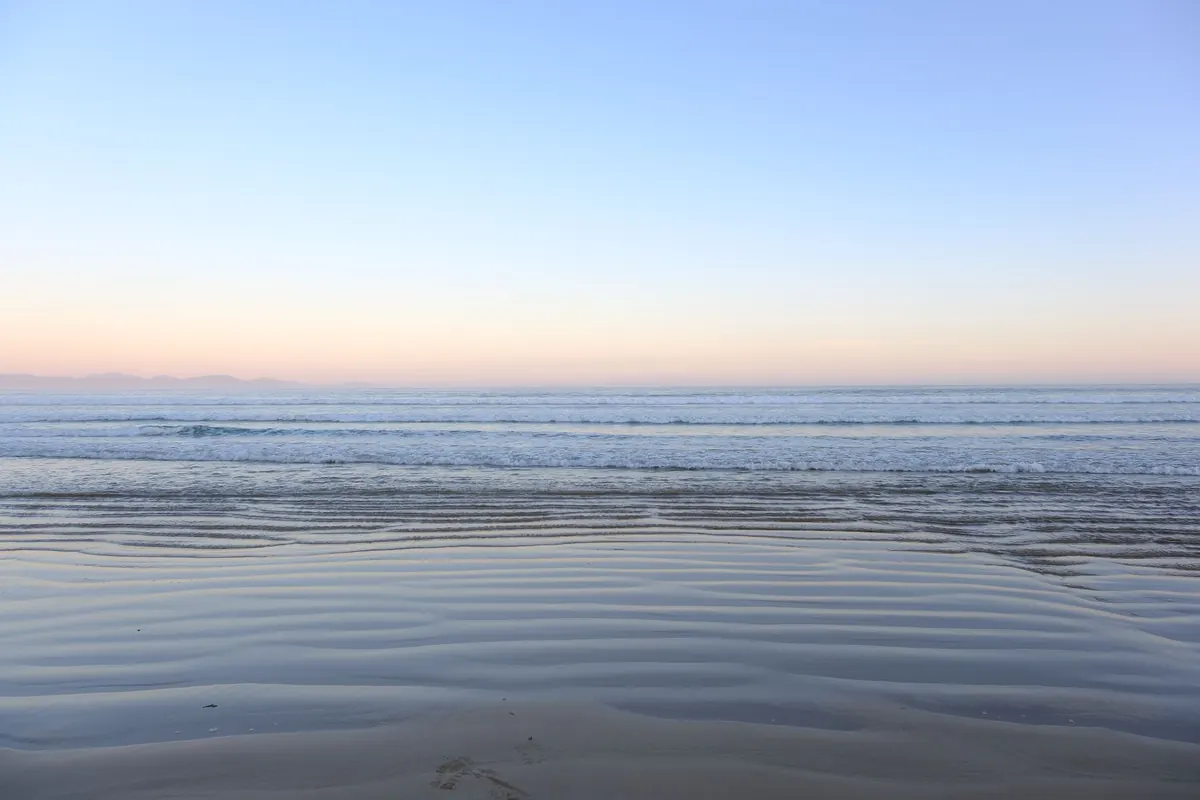
Photo: Laura Lee Van Herck / Pexels
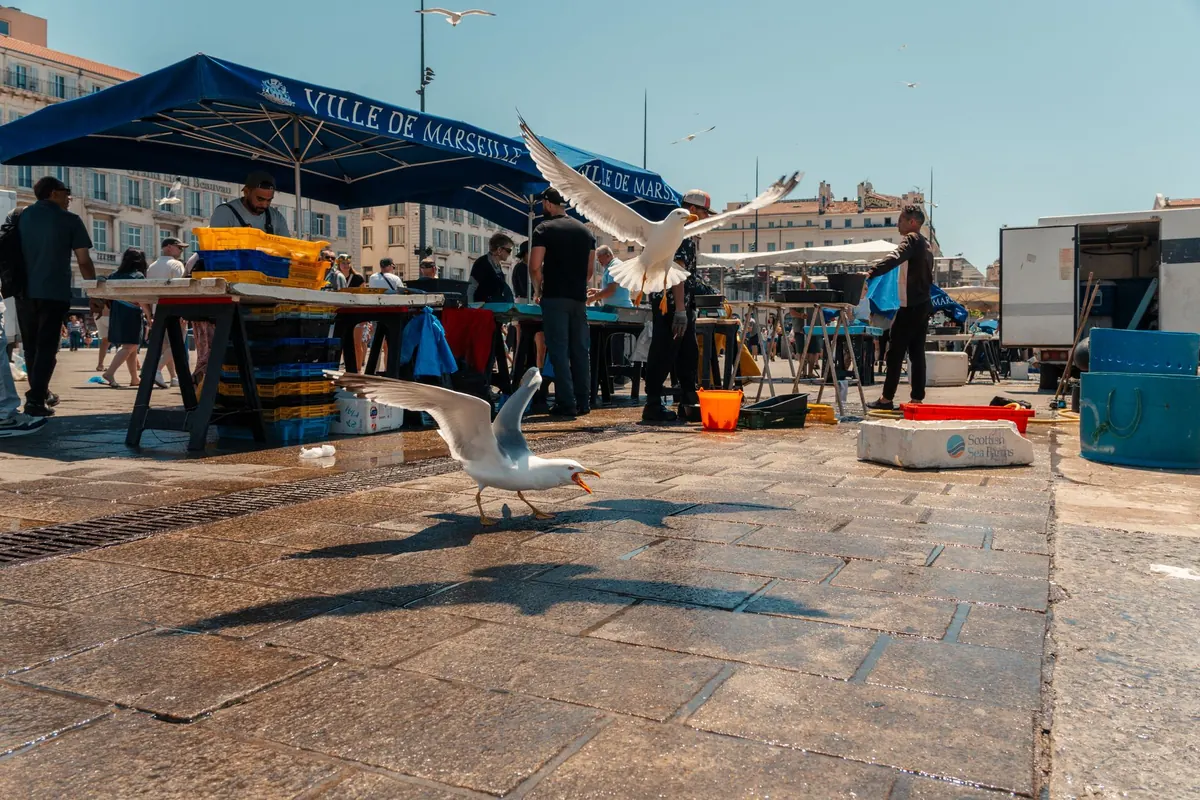
A month-by-month tour of coastal markets — what each season puts on the stalls, when to arrive, and which nearby...
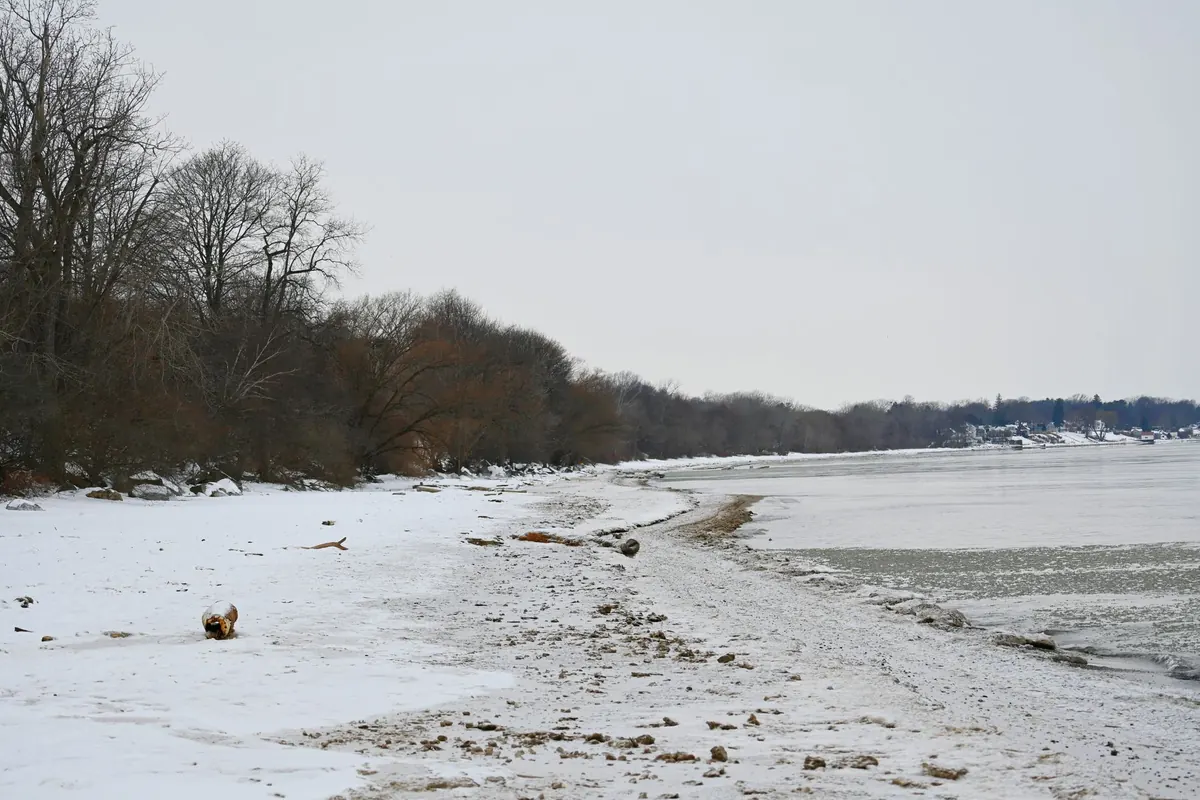
Winter strips coastal towns back to bakeries, ferries and empty headlands. A practical guide to what closes, when,...
October 30, 2026 - Local Guides
October 29, 2026 - Local Guides
October 25, 2026 - Local Guides
Copyright © 2026 Faro Viva. All Right Reserved.