Coastal Market Days: A Month-by-Month Local Guide
October 30, 2026 - Local Guides

October 30, 2026 - Local Guides

October 29, 2026 - Local Guides
October 25, 2026 - Local Guides
October 23, 2026 - Sea Views
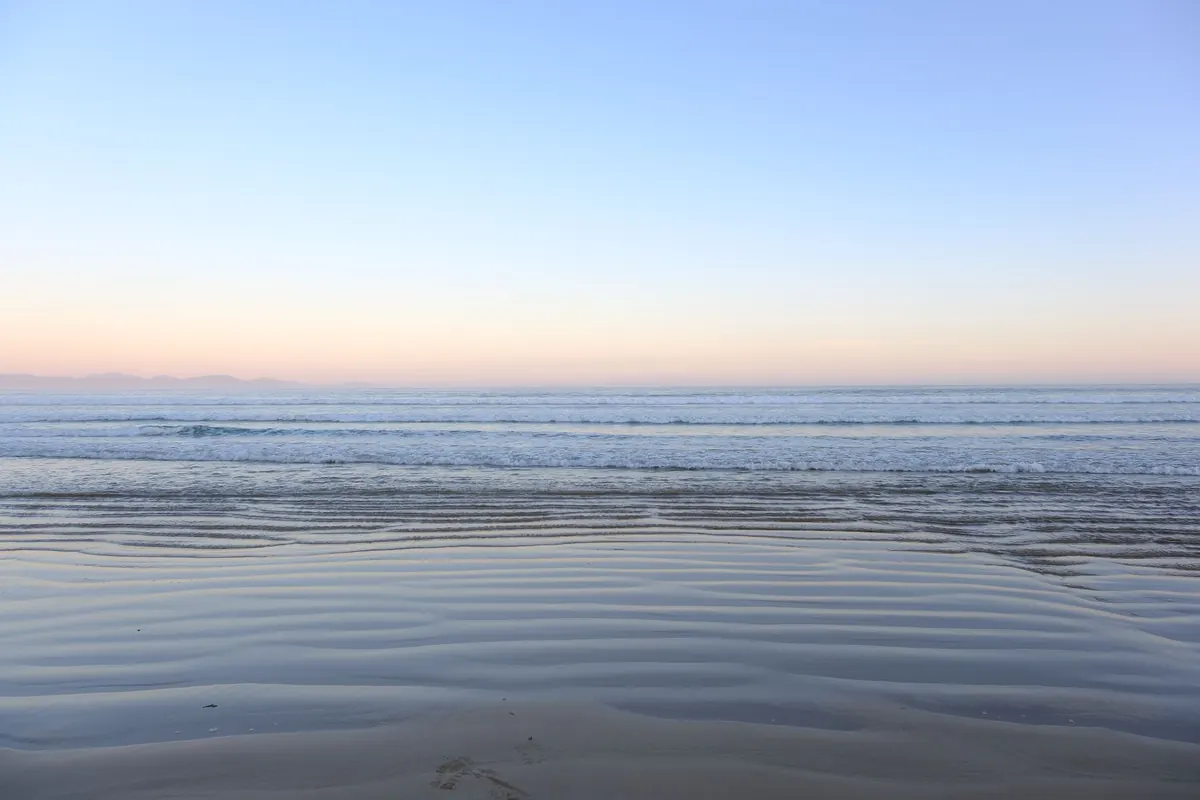
Anyone who has walked the same stretch of coast at dawn and again after lunch knows the sea is not one view but several. The water is unchanged; the light is not. A bay that reads as flat grey at noon can turn to hammered silver an hour before sunset, and a headland that dissolves into summer haze at three in the afternoon stands sharp as a paper cut-out on a clear October morning. Knowing which hours to aim for, and which to let go, is most of the skill of coastal travel. It also decides whether you share the view with three people or three hundred.
Three things shape what you actually see when you reach the shore.
Sun angle. A low sun rakes across cliffs, rocks and wave tops, pulling out texture and colour. A high sun flattens all of it and bounces hard glare off the water, so the horizon turns white and the sea loses depth. This single factor explains most of the difference between a disappointing view and a memorable one.
Direction of light. With the sun behind you, the sea shows its true colour: deep blues, green shallows, visible stones under the surface. With the sun in front of you, the water becomes a silver path and everything along the coast turns to silhouette. Neither is better. They are different photographs, different moods, and you can plan for either.
Air and people. Warm, humid air holds moisture and softens the horizon into milk. Cooler, drier air after a weather front gives you the sharp line where sea meets sky. Crowds follow their own timetable: on a summer beach, the pressure peaks roughly between 11:00 and 16:00, and coastal car parks can be full well before then.
Spring is a season of two halves each day. The sea is still cold from winter while the air warms quickly, so mild mornings often produce mist sitting low over the water, thick enough to erase the horizon entirely. It usually lifts by mid-morning, and the hour after it does is one of the quietest, cleanest views of the year.
Target 09:00 to 11:00 for the burn-off, and again from about 17:00 until sunset. April and early May often bring the crispest air of the first half of the year, before summer humidity builds. Midday in March is gentle; midday in late May is starting to harden.
Watch the wind. An offshore breeze in spring leaves the surface glassy and reflective, which is what you want if you are out for colour and reflection rather than crashing waves. Beaches are quiet on weekdays until the last week of May, so this is the season to walk the popular stretches without company.
Summer gives you the longest days and the most difficult light. By mid-morning the sun is high, glare takes over the water, and heat shimmer blurs the horizon. The best windows sit at the edges: from first light to roughly two hours after, so around 05:30 to 08:00 at mid-latitudes, and from 19:00 until the sun goes down.
The midday hours are not wasted, they just call for a different plan. Stop looking at the horizon and look at the water instead: swim, snorkel, poke around rock pools, or find shade and watch the shallows. In the afternoon, an onshore sea breeze usually builds, chopping the surface and throwing spray. Good for sailing and drama, poor for reflections.
Crowds are the real constraint. Arrive before 10:00 or after 17:00, and expect August to be the busiest of all. Late-summer thunderstorms that build over land in the afternoon often clear the air behind them, so the hour after a storm passes can offer the sharpest horizon of the week.
For many coastlines this is the strongest stretch of the year. The sun sits lower all day, the light arrives at a slant rather than from overhead, and the air dries out. September still swims, and the sea holds its summer warmth even as the evenings shorten quickly. October brings still, glassy mornings with mist lying on the water. November brings fronts, fast-moving cloud and rainbows, plus brief, intense light just after a shower.
Aim for 08:00 to 10:30 and 15:00 to sunset. If a front has just passed through, get out the following clear morning: that is when the line between sea and sky is at its sharpest. Crowds fall away after mid-September, and by late October you can have long stretches of coast almost to yourself, even if some cafés and car parks have closed for the season.
Winter light is low all day, which is exactly what the sea wants. The sun may never climb high enough to flatten the water, so instead of a few minutes of gold at each end of the day you get hours of it. On clear days, target 10:00 to 14:00, and pick a coast that faces the sun; sunrise may be as late as 08:00 and sunset as early as 16:00, so the usable window is short and worth planning around.
Backlight is winter's speciality. A low sun sitting behind a headland turns it black against a silver sea, and a single break in cloud can light one patch of water while everything else stays slate.
Winter also brings the biggest swell. Watching spray break over a harbour wall is genuinely spectacular, and genuinely dangerous. Stay well back from wet rocks, ledges and sea walls, keep children close, and never turn your back on the water to pose for a photo. Storms claim lives on European coastlines every year, usually from precisely this kind of close-up viewing.
Before you pick a time, check your compass. The same hour can be excellent on one shore and hopeless on another.
Light is predictable, which makes this the easiest part of a coastal trip to plan. A short routine covers most of it:
Get those five things right and the coast does the rest. The view is always there; the trick is arriving when the light is willing to show it.
Photo: Walter Coppola / Pexels
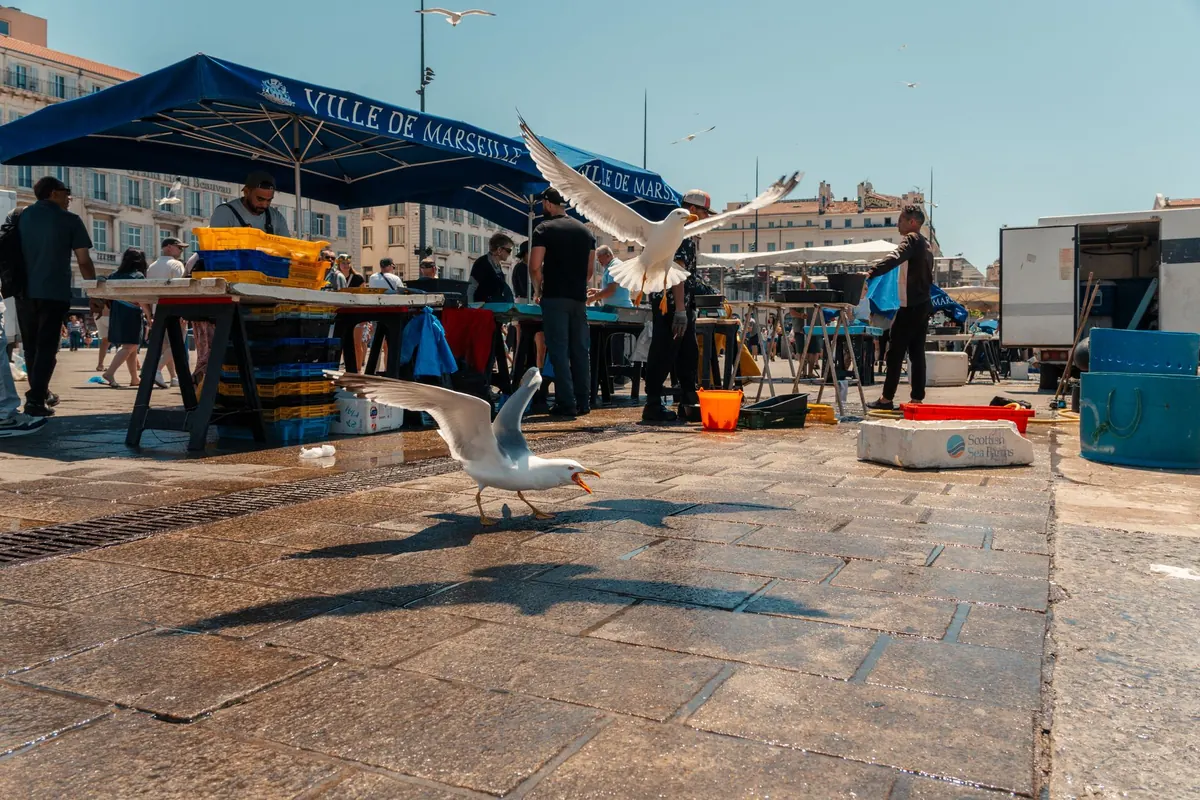
A month-by-month tour of coastal markets — what each season puts on the stalls, when to arrive, and which nearby...
Winter strips coastal towns back to bakeries, ferries and empty headlands. A practical guide to what closes, when,...
October 30, 2026 - Local Guides
October 29, 2026 - Local Guides
October 25, 2026 - Local Guides
Copyright © 2026 Faro Viva. All Right Reserved.