Coastal Market Days: A Month-by-Month Local Guide
October 30, 2026 - Local Guides

October 30, 2026 - Local Guides
October 29, 2026 - Local Guides
October 25, 2026 - Local Guides
October 23, 2026 - Sea Views
Three days is enough to learn the shape of a coast, provided you don't try to see all of it. The mistake first-time visitors make is treating the map like a checklist: three beaches before lunch, two lighthouses after, a fishing village squeezed in at dusk. What follows is a slower plan — one headland, one long walk on sand, one town after dark, in that order — with driving times, the bits worth skipping, and alternatives for the mornings when the weather refuses to cooperate. Read it once, then bend it to the tide table and to how much you genuinely enjoy standing still.
Keep the first afternoon deliberately small. Wherever you're staying, you almost certainly arrived tired, and the coast rewards people who look at it properly rather than people who cover it.
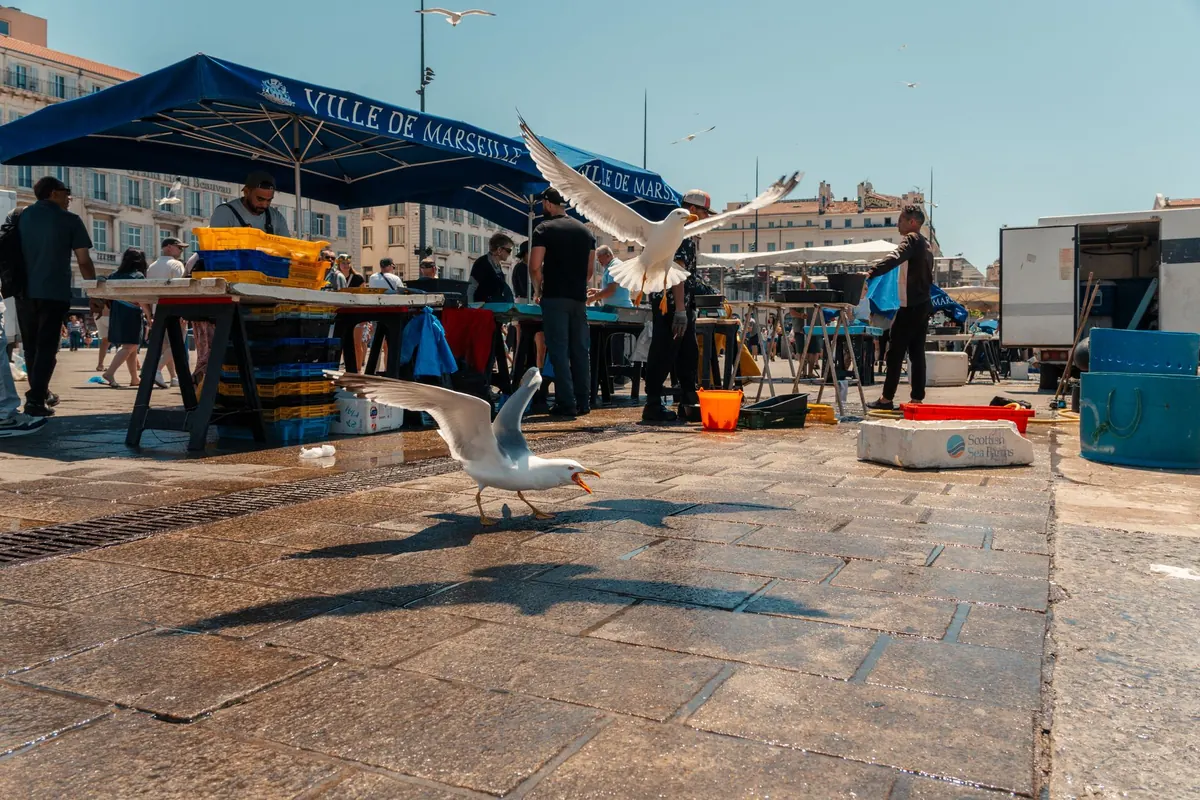
Drop the bags, then walk to the harbour — not the beach, the harbour. It's the one place where you can read the whole town at once: the working boats, the fish auction, the ice machine, the cafe where the crews eat before dawn. Give it an hour. Forty-five minutes of strolling plus fifteen minutes of sitting somewhere with a view of the water is the right ratio.
While you're there, do three small errands that will pay off later:
Eat early and close to where you're sleeping. The seafront strip is rarely the best food in town and always the slowest at eight in the evening; walk two streets inland and the pace drops. Aim to be back at your room by ten, because tomorrow starts before the light gets hard.
Lighthouses are best in the morning light, when the sea is still silver and the path is empty. Count on twenty to thirty minutes by car from a typical town centre, plus a fifteen-minute walk from the car park to the tower itself. Arrive by nine and you'll have the cliff path largely to yourself.
Be realistic about the tower. Many lighthouses open only a few hours a week, some only in high season, and a fair number are closed to the public entirely — you can still walk to the base and around the headland, which is usually the better half of the visit anyway. Check the previous afternoon's posted hours and keep the tour as a bonus, not the reason for the trip.
The path along the cliff deserves more time than the building does. Give the headland ninety minutes: walk out to the point, sit for ten minutes without doing anything, then follow the path down towards the next cove rather than doubling straight back. Wind here is stronger than it feels in town, so tie down hats and hold onto loose maps. If the path runs close to the edge, stay behind the marked line; soft cliff edges are not a theoretical hazard.
Back in the car by twelve, and on the sand by half past. Pick one beach and stay there — the swimming-and-sleeping kind, not the scenic-viewpoint kind. Time your arrival against the tide rather than the clock: on many stretches, low tide doubles the width of the beach and exposes pools and rock shelves that vanish by mid-afternoon.
Use the lifeguards' flags as your guide, not your own reading of the water. If there are no flags and no lifeguards, treat the sea with suspicion — this coast can look calm and be pulling sideways. A short, sensible note: if you have any health concerns about swimming, sun exposure or exertion, ask a pharmacist or doctor rather than guessing.
Evening is for the town you barely saw yesterday. Find the older quarter, eat something uncomplicated, and walk one street you don't recognise. Avoid driving anywhere after dark if parking was hard in daylight; it never gets easier.
The third day should be the one with the fewest decisions. Ferries are the reason: a crossing to an island, a sandbar community or a bay beach forces you to commit to a timetable, and that structure is exactly what makes the day restful.
Take an early crossing — one of the first two departures. Count on fifteen to forty minutes on the water, depending on the route, and note the return times before you leave the quay. On the other side, walk away from the landing point for at least ten minutes. Every ferry terminal concentrates people in the same two hundred metres; the same island is quiet half a kilometre along the coast.
Keep the island morning simple: one walk, one swim, one long lunch. Take the mid-afternoon boat back, because the last crossings are crowded and the queue starts early. Spend your final hours in town rather than on another beach — an ice cream, a last look at the harbour, one more street. It's a better ending than a rushed dash to the airport.
Coastal weather changes its mind quickly, and a plan that assumes sun all three days will disappoint. Keep these in reserve:
Book accommodation with parking if you're hiring a car, and check whether the space is actually on site rather than in a lot ten minutes away. Carry small cash for ferries, kiosks and beach car parks. Wear shoes you can walk a rough cliff path in, and keep a spare bag for wet swimwear so the hire car doesn't smell of the sea for the rest of the week.
Finally, leave one afternoon unscheduled. The best hour of a short coastal trip is usually the one you didn't plan — a second swim, a conversation at a harbour cafe, a beach you spotted from the lighthouse and decided to find. Build the itinerary, then give it a small hole to fill itself.
Photo: Semiha HASTAŞ / Pexels
A month-by-month tour of coastal markets — what each season puts on the stalls, when to arrive, and which nearby...
Winter strips coastal towns back to bakeries, ferries and empty headlands. A practical guide to what closes, when,...
October 30, 2026 - Local Guides
October 29, 2026 - Local Guides
October 25, 2026 - Local Guides
Copyright © 2026 Faro Viva. All Right Reserved.